You do not need to understand neural networks to try an AI-driven game. You do need to know whether the game runs immediately, saves your work, or asks you to bring a paid model key.
01 / Choose your opening lane
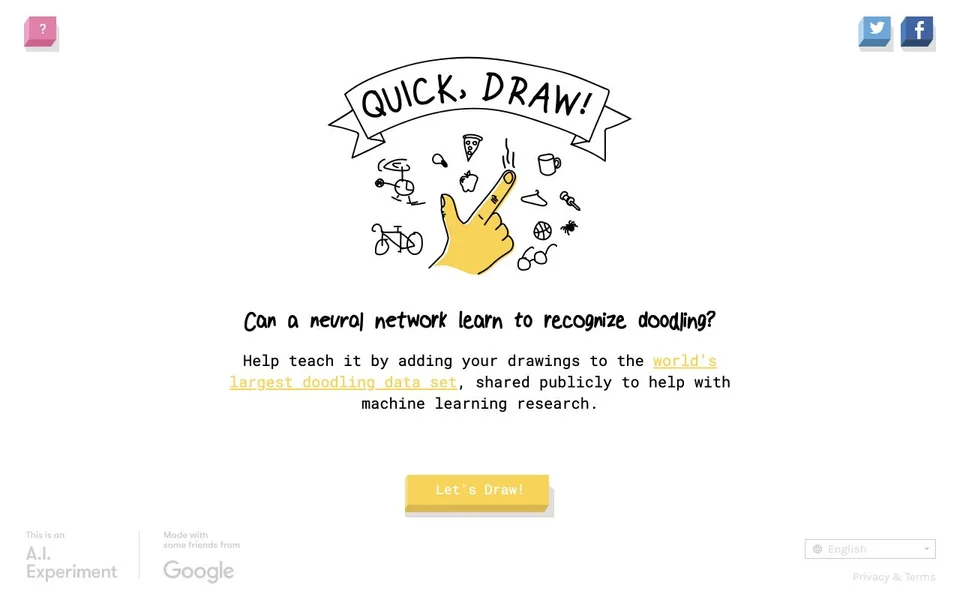
For a quick introduction, start with a single-purpose interaction. Quick, Draw! makes one question visible: can a network identify this sketch before time expires? Semantris tests how clues relate to words. Neither requires planning a lengthy narrative campaign.
If you prefer stories, use the publisher’s start page for AI Dungeon or KathaaVerse. The first few moves can be as simple as describing a place and asking an NPC one concrete question. Expect the model to improvise, not to remember a detailed rulebook perfectly.
02 / Read the access screen before typing
A playable URL does not mean an unlimited free service. Model inference costs someone money. Some games offer short demos, daily turn limits, subscriptions or bring-your-own-key arrangements. AI Dungeon documents account requirements; KathaaVerse mentions possible model usage charges; Kith Moot advertises both a short opening experience and paid tiers.
Never paste your personal API token into a game unless you understand the publisher, network destinations and billing exposure. A bring-your-own-key experiment can be excellent for developers, but it is not the right starting point for everyone. You can always select a different game.
03 / Make a move the model can answer
Start with one action at a time: “Ask the guard when the gate opened” is easier to evaluate than a paragraph demanding six simultaneous events. In detective games, separate your observations from your theories. In story games, name your goal and check whether the next reply keeps the relevant facts straight.
If the output contradicts itself, inspect editing, retry or rollback options rather than accepting a broken state as canon. Some games expose structured inventories or evidence boards specifically to reduce this problem.
04 / Protect your time and data
Treat input boxes as remote services unless the author clearly documents local processing. Do not submit secrets, private documents or sensitive personal stories. External links take you away from this directory and their own privacy policies apply.
Save or export important progress when the publisher offers that option. An early beta can change its storage rules or become unavailable; a no-account demo may not retain your adventure across browsers.
Editorial note: all references to specific games are based on the publishers’ documented features, not personal playtest claims. See each listing for its source links and access limitations.